


Introduction
Tooth enamel is the hardest tissue in the human body, yet it possesses one critical vulnerability: it is non-renewable. Once worn away or micro-scratched, enamel cannot repair itself naturally, leading to chronic tooth sensitivity, yellowing dentin exposure, and a drastically increased risk of cavities.
A widespread concern among consumers—especially parents of young children and individuals with receding gums—is whether the high-frequency vibrations of electric toothbrushes gradually erode this precious protective layer.
Backed by dental clinical research and biomechanical tests, this article debunks the myths surrounding electric toothbrushes and enamel wear. We will uncover what actually causes enamel abrasion, compare electric versus manual brushing, and share science-backed habits to protect your smile.

1. Understanding Tooth Enamel and the True Causes of Wear
Tooth enamel acts as a resilient shield covering the outer layer of each tooth, protecting inner nerves against thermal irritation, dietary acids, and physical friction. Despite its rock-like hardness, enamel is susceptible to a process called mechanical abrasion.
According to dental studies, mechanical friction combined with dietary acid erosion are the two leading drivers of enamel loss (Addy et al., 2020). Clinically approved electric toothbrushes do not possess the kinetic energy required to compromise healthy, intact enamel. The threat is almost never the device itself, but rather how it is operated.
2. Does Electric Toothbrush Vibration Damage Enamel?
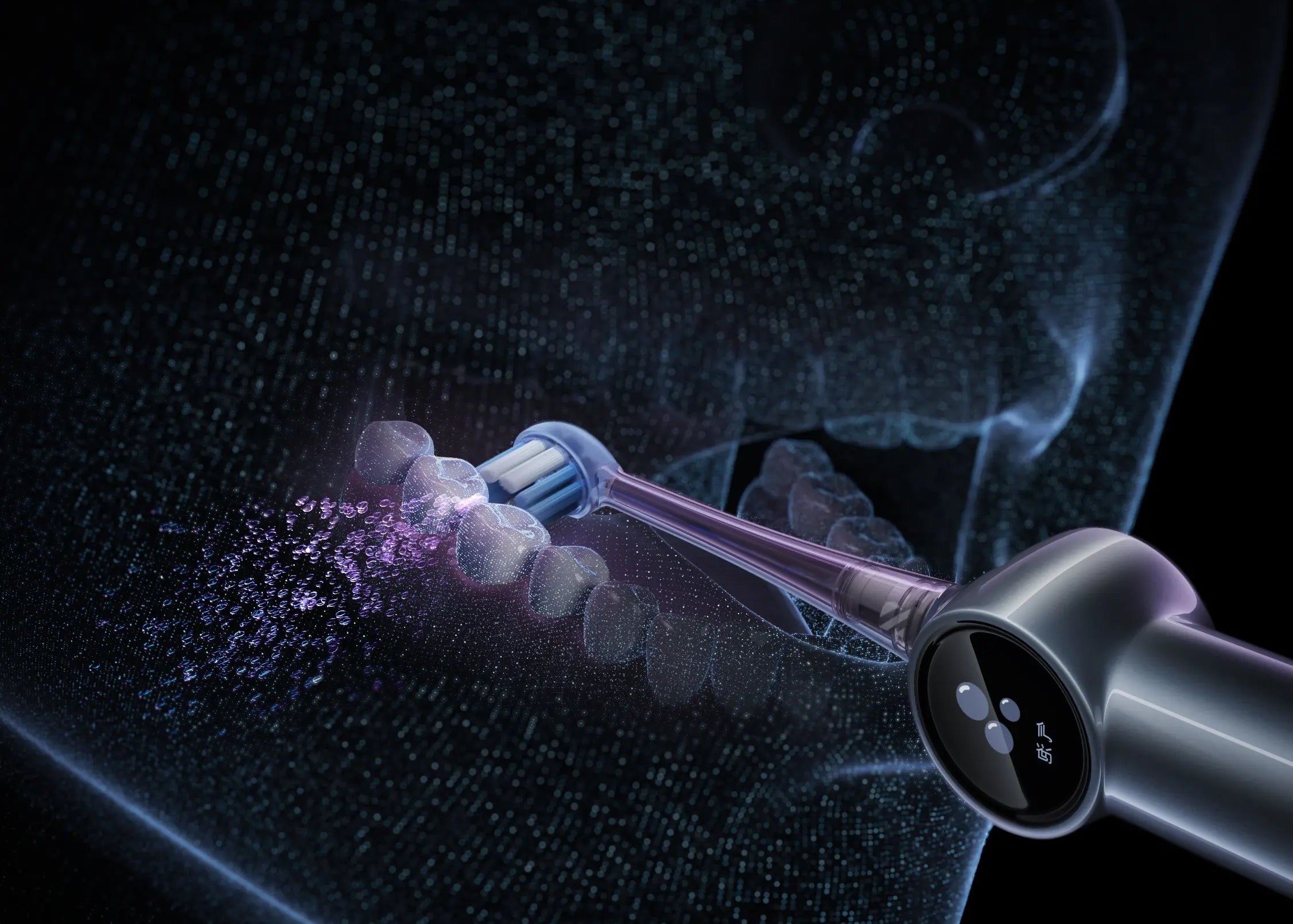
Modern electric toothbrushes utilize sonic or oscillating technology specifically calibrated for safe oral use. Their standard operational frequencies are rigorously tested to ensure they only disrupt the soft sticky biofilm (plaque) without affecting the dense mineral structure of your teeth.
Clinical trials prove that correctly used electric toothbrushes cause significantly less enamel abrasion than traditional manual scrubbing (Tartaglia et al., 2019). The steady, automated movement eliminates the need for aggressive sawing motions. As long as you do not apply excessive manual pressure, the bristles simply glide over the enamel safely.
💡 Enamel-Safe Solution:
If you prioritize long-term enamel health while pursuing effective cleaning, it is wise to pick a device built with gentle, dental-grade motion. The RANVOO AirJet X5 features a clinically tested 22,000 strokes per minute frequency paired with a 12° precise oscillation. This balanced movement delivers thorough plaque removal without applying unnecessary strain to enamel or delicate gum tissue.

3. The Real Culprits: 4 Ways You Are Accidentally Wearing Down Enamel
If you experience sudden tooth sensitivity after switching to an electric toothbrush, check your routine for these four high-risk habits:
3.1 Brushing with Excessive Force (Over-Pressuring)
This is the number one cause of enamel recession. Many users unconsciously press the motorized brush head firmly against their teeth to chase a "squeaky-clean" feeling. Merging high-speed vibration with heavy physical pressure creates a grinding effect that slowly shears away enamel, particularly near the vulnerable neck of the tooth.
3.2 Using Worn, Frayed, or Deformed Bristles
When a brush head is overused past its lifespan, the bristles bend, split, and lose their rounded, polished tips. These jagged, deformed bristles act like tiny hacksaws, scraping micro-scratches into the enamel surface. Keeping a strict 3-month replacement schedule is vital (Walsh et al., 2017).
3.3 Brushing Immediately After Consuming Acidic Food
Citrus fruits, soda, wine, and coffee temporarily soften and demineralize tooth enamel. Brushing your teeth within 30 minutes of eating these items rubs the acid deeper into the enamel, drastically accelerating wear. This rule applies to both manual and electric toothbrushes.
3.4 Relying on High-Abrasion Whitening Toothpastes
Certain charcoal or aggressive whitening toothpastes contain highly abrasive particles (measured by a high RDA value). When paired with the rapid mechanical strokes of an electric toothbrush, these particles act like polishing compound, wearing down enamel over time.
4. Special Groups: Who Needs Extra Enamel Protection?
Certain individuals have naturally thinner or temporarily weakened enamel and require a more calculated approach to electric brushing:
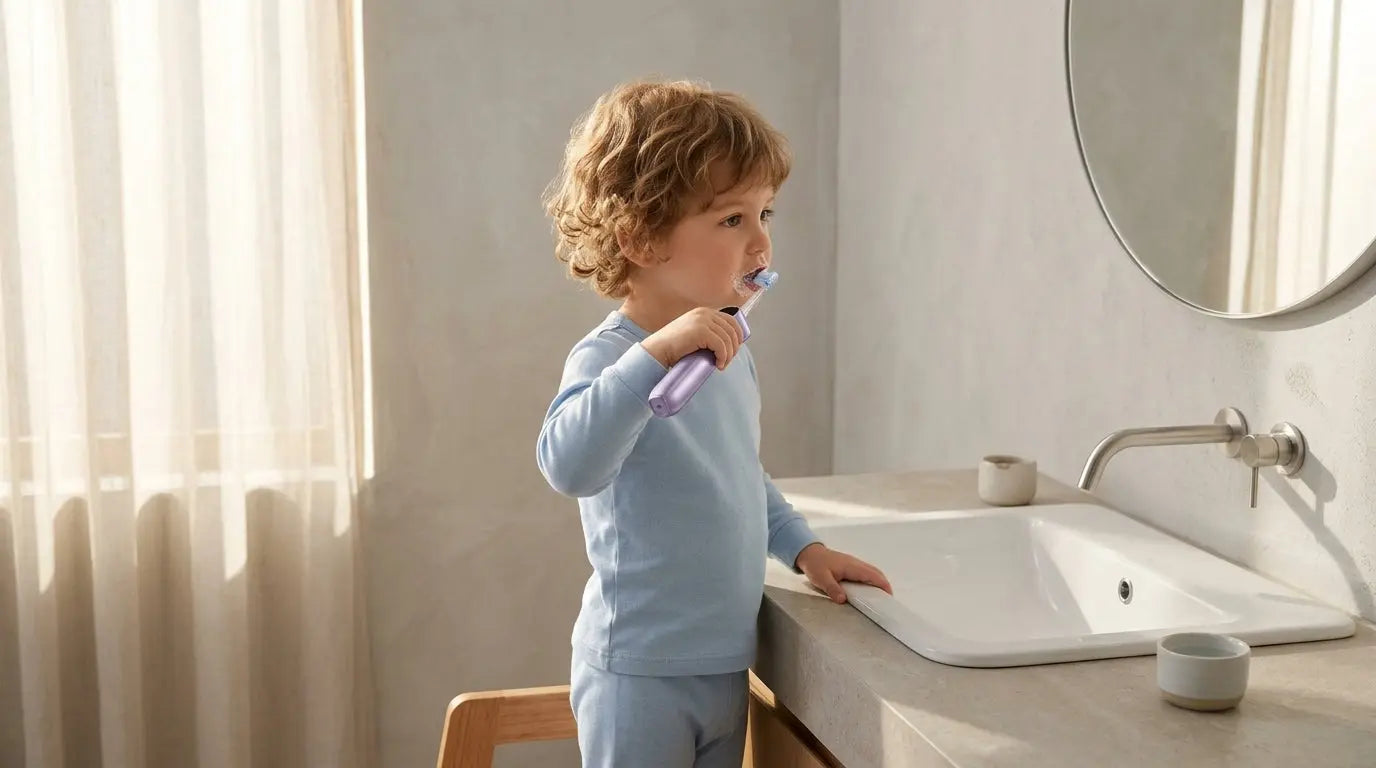
Children: Developing pediatric enamel is softer and less mineralized than adult enamel. Children must strictly use dedicated low-frequency kid modes paired with compact, ultra-soft brush heads.
People with Receding Gums or Sensitivity: The enamel near the gum line (the cervical region) is exceptionally thin. Aggressive high-power modes should be avoided in favor of soothing, gentle settings.
Post-Treatment Patients: Individuals who have recently undergone professional teeth whitening, orthodontic adjustments, or dental scaling will have temporarily sensitive enamel.
🛡️ Designed for Sensitivity:
For anyone with fragile enamel or heightened oral sensitivity, customizable settings and premium bristle quality make a world of difference. The RANVOO AirJet X5 Electric Toothbrush comes with four adjustable cleaning modes, including an ultra-gentle option suited for vulnerable teeth. Equipped with 99.9% tapered DuPont bristles, it minimizes micro-abrasion while delivering consistent daily cleaning.

5. Science-Backed Tips to Protect Your Enamel While Brushing
Let the Brush Glide, Never Push: Hold the electric toothbrush lightly with a fingertip grip. Place it against the tooth surface and let the sonic motor do 100% of the cleaning work.
Honor the 3-Month Rule: Never wait for bristles to completely fall out or flare. Replace the brush head at the first sign of bristle deformation to maintain a smooth, scratch-free contact surface.
Pair with Low-Abrasion Fluoride Toothpaste: Opt for toothpastes that focus on cavity protection or sensitivity relief, which generally feature safer, finer abrasive particles.
The 30-Minute Grace Period: After consuming acidic meals or carbonated drinks, rinse your mouth with plain water and wait 30 to 60 minutes for your saliva to naturally remineralize and re-harden the enamel before brushing.
Maintain Pristine Hygiene: A moldy or bacteria-laden brush head can trigger localized gum infections, which indirectly weakens the anchoring tissues around your enamel. Built with nano-silicon anti-mold coating and IPX7 waterproof rating, the RANVOO AirJet X5 stays hygienic in humid bathroom environments, eliminating mold-related oral health risks.
6. Common Myths Debunked
❌ Myth 1: Higher vibration speed always equals more enamel damage.
Fact: Standard sonic speeds from reputable brands are completely safe for mineralized enamel. Damage is driven by physical downward pressure and poor bristle quality, not the speed of the motor.
❌ Myth 2: Manual toothbrushes are inherently gentler.
Fact: Studies show manual brushers frequently use erratic, high-pressure scrubbing motions. A calibrated electric toothbrush provides a uniform, controlled clean that is actually safer for teeth.
❌ Myth 3: You can use a brush head until it looks visibly ruined.
Fact: Microscopic wear happens long before the brush head looks "exploded." Frayed tips lose their safety rounding, presenting a constant scratching hazard to your teeth.
Conclusion
Electric toothbrushes themselves do not weaken or damage healthy tooth enamel. Instead, enamel loss is almost always a byproduct of human error: excessive physical pressure, overused brush heads, and poor timing after acidic meals.
When used correctly, an electric toothbrush is a superior, safer, and far more consistent oral care tool than a manual brush. By selecting a device built with protective sensitivity features, respecting bristle lifecycles, and letting the motor do the work, you can keep your enamel strong, glossy, and completely pain-free.
If you are searching for a reliable oral care device that balances deep cleaning and long-term enamel protection, explore the design and functionality of the RANVOO AirJet X5 Electric Toothbrush to build a sustainable daily brushing routine.
References
Addy, M., et al. (2020). Tooth wear: Causes, mechanisms and clinical management. Journal of Dental Research.
Tartaglia, G. M., et al. (2019). Enamel abrasion comparison between powered and manual toothbrushes. European Journal of Dental Hygiene.
Walsh, T., et al. (2017). Effect of bristle wear on plaque removal efficacy of powered toothbrushes. Journal of Dental Research.