


Introduction
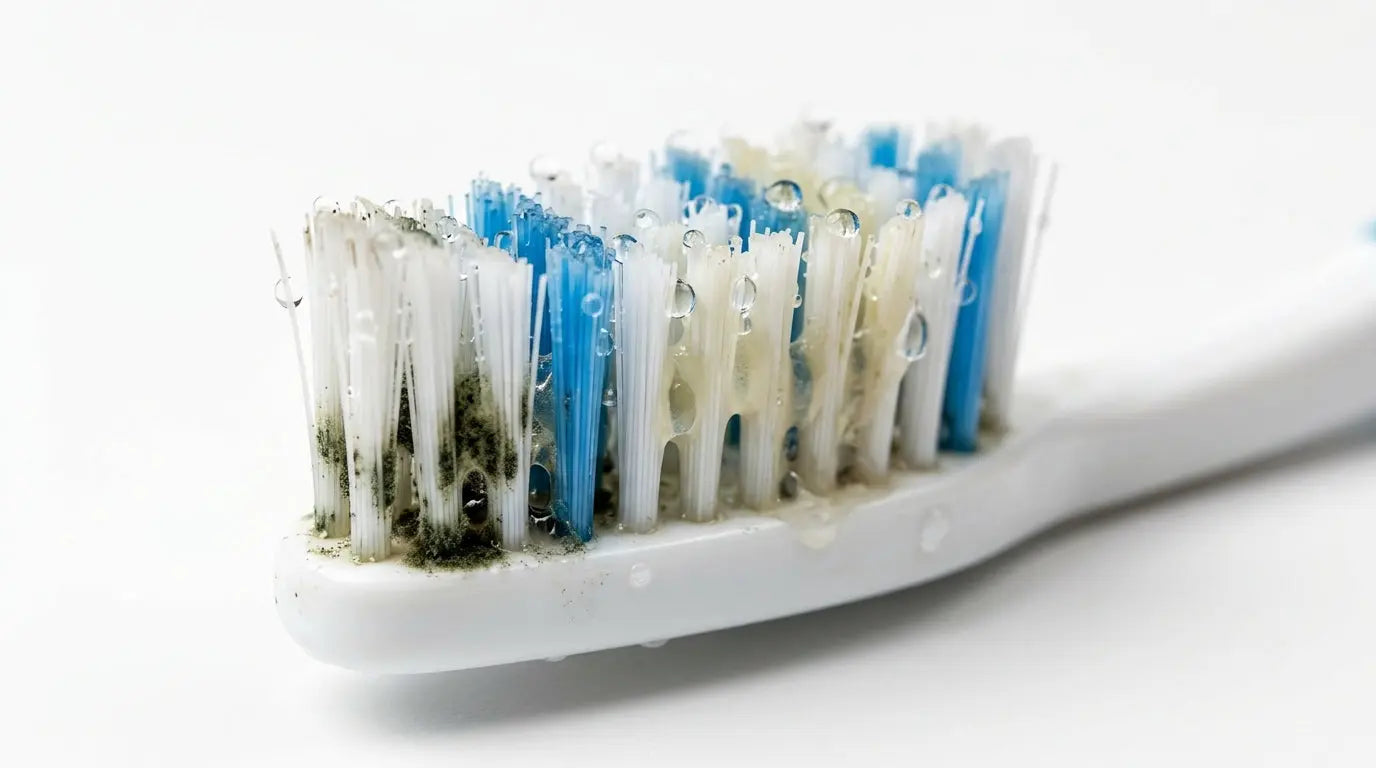
Most people focus on choosing functional and comfortable toothbrushes, yet overlook a common hidden threat: mold growth on brush heads. Damp, dark environments inside bathrooms create ideal conditions for mold, mildew and bacteria to breed.
Prolonged use of a contaminated toothbrush does not just cause unpleasant odors. The spores and toxins released by mold can directly invade the oral cavity, triggering a series of oral and even systemic health issues. This article combines global dental research and clinical findings to explain the hazards of toothbrush mold, analyze the causes of contamination, and share practical tips to keep your toothbrush clean and safe.

Why Does Mold Grow on Toothbrushes?
Bathrooms are typically humid and poorly ventilated. After brushing, residual saliva, toothpaste foam and water remain trapped between bristles. This warm, moist environment becomes a perfect breeding ground for mold, fungi and harmful microorganisms.
Studies show that toothbrushes left in closed toothbrush holders or placed close to toilets face a much higher risk of microbial contamination (Scott et al., 2018). Flushing toilets can disperse tiny water droplets carrying bacteria and mold spores into the air, which easily land on nearby toothbrushes and accelerate contamination.

Oral & Systemic Health Risks Caused by Toothbrush Mold
Mold on toothbrushes contains numerous fungal spores and metabolic toxins. When brushing teeth, these substances come into full contact with gums, tooth surfaces, oral mucosa and even the throat, leading to multiple health problems.
1. Aggravate Gum Inflammation and Irritation
For people with sensitive gums or mild gingivitis, mold spores will continuously stimulate fragile oral tissues. Clinical observations indicate that regular exposure to mold-contaminated toothbrushes increases the frequency of gum redness, swelling and bleeding (Marsh & Martin, 2019). Existing periodontal problems will become harder to recover.
2. Trigger Oral Mucosa Problems
Oral mucosa is delicate and vulnerable to fungal infection. Long-term use of moldy toothbrushes may cause oral thrush, characterized by white patches, dryness, stinging pain and abnormal burning sensation inside the mouth. It also raises the risk of recurrent oral ulcers.
3. Cause Bad Breath and Persistent Unpleasant Taste
Mold and decaying residues on bristles produce volatile compounds. These substances linger in the oral cavity, resulting in stubborn bad breath and a strange metallic or bitter taste that cannot be eliminated by ordinary brushing.
4. Spread Infections to Respiratory Tract
Inhalation of airborne mold spores during brushing may irritate the throat, tonsils and respiratory tract. People with weak immunity are more likely to suffer from sore throat, cough, allergic rhinitis and other discomforts. In severe cases, it can induce repeated upper respiratory tract infections (Hay et al., 2020).
5. Cross-Contamination Among Family Members
Mold spores and fungi are highly transmissible. If multiple people share the same toothbrush holder or place toothbrushes closely together, cross-contamination will easily occur, spreading oral fungi and bacteria to every family member.
Who Is Most Vulnerable?
While mold poses risks to everyone, certain groups have higher sensitivity:
- People with sensitive gums, gingivitis or periodontal disease
- Children, pregnant women and the elderly with relatively low immunity
- Individuals suffering from diabetes or autoimmune diseases
- Patients who have recently undergone oral surgery
For these groups, maintaining a sterile toothbrush environment is an essential part of daily health management.

Practical Solutions: How to Prevent and Remove Mold
You do not need complicated tools to stop mold growth. Simple daily habits can greatly reduce contamination risks:
Rinse thoroughly after use
Wash the bristles with running clean water immediately after brushing, and squeeze out all excess moisture. Do not leave toothpaste and saliva residue.
Store toothbrushes properly
Place the toothbrush upright in an open holder, in a well-ventilated area. Keep it far away from toilets, shower areas and closed cabinets. Avoid multiple toothbrushes touching each other.
Disinfect regularly
Soak the brush head in diluted mild antibacterial mouthwash or warm salt water for 3 to 5 minutes weekly for basic disinfection. Do not use strong corrosive disinfectants that may damage bristles.
Replace toothbrushes on schedule
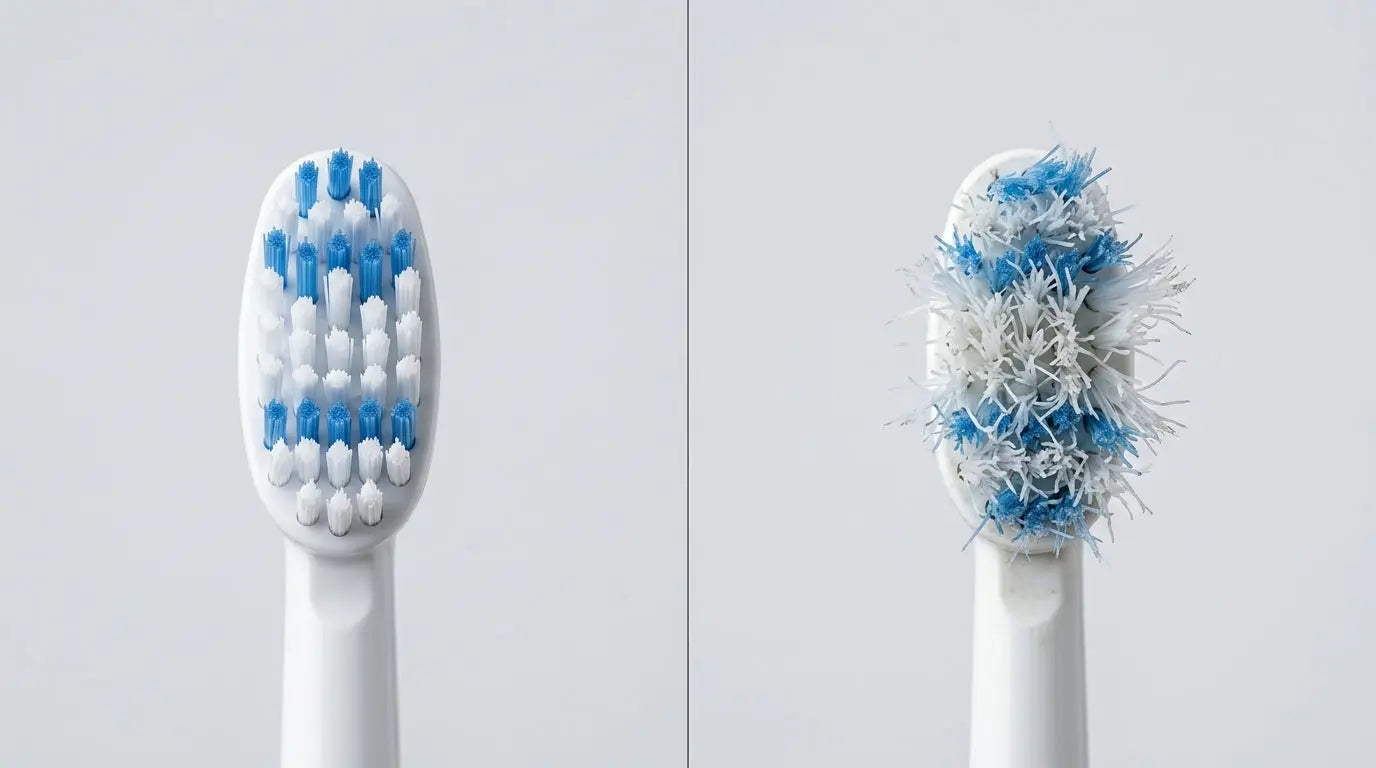
Dental professionals recommend replacing manual and electric toothbrush heads every 3 months American Dental Association (ADA). Replace immediately if you spot visible mold spots, strange odors or deformed bristles ahead of schedule.
Keep the bathroom dry and ventilated
Open windows or turn on exhaust fans after bathing to reduce overall indoor humidity, cutting off the living conditions for mold.
Conclusion
A clean toothbrush is the first line of defense for oral health. Mold growth on bristles is a hidden danger that is easy to ignore, yet it can gradually damage oral tissues and affect physical health.
By mastering correct cleaning, storage and replacement habits, you can effectively avoid mold contamination. Small changes in daily routines will bring long-term protection to your gums, teeth and overall health. Develop good toothbrush maintenance habits, and stay away from fungal and bacterial threats.
References
- Scott, E., et al. (2018). Microbial contamination of personal oral hygiene devices in domestic environments. Journal of Applied Microbiology.
- Marsh, P. D., & Martin, M. V. (2019). Oral Microbiology, 5th ed. CRC Press.
- Hay, R. J., et al. (2020). Fungal spores and respiratory allergic reactions from household contamination. Clinical & Experimental Allergy.