

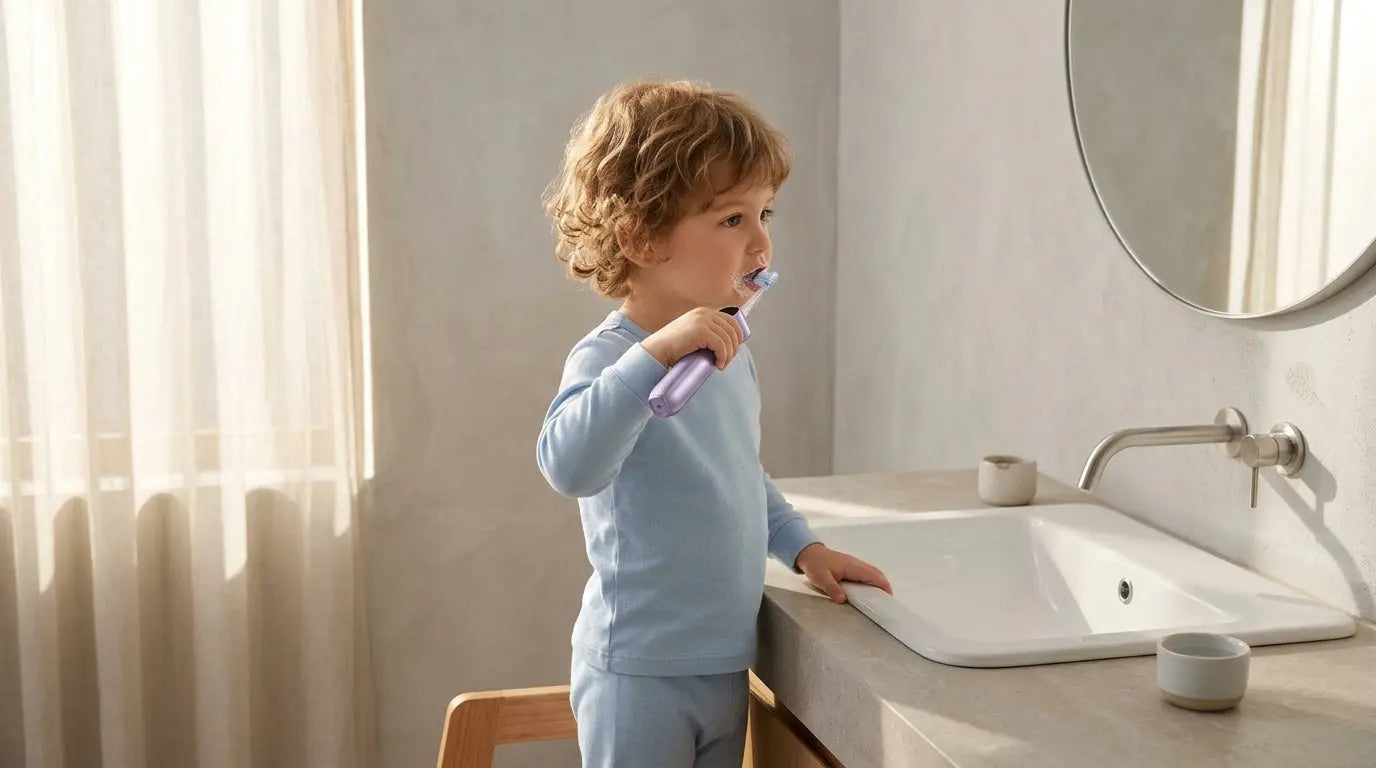
Introduction
Establishing healthy brushing habits from an early age is critical for a child’s lifelong oral health. Children possess extremely delicate gum tissue and developing tooth enamel, both of which are far more vulnerable to irritation, micro-scratches, and recession than those of adults.
Many parents find themselves at a crossroads: Are electric toothbrushes safe for kids? What vibration frequency is appropriate? How do you pick the right device, and what does a scientifically backed daily brushing routine look like?
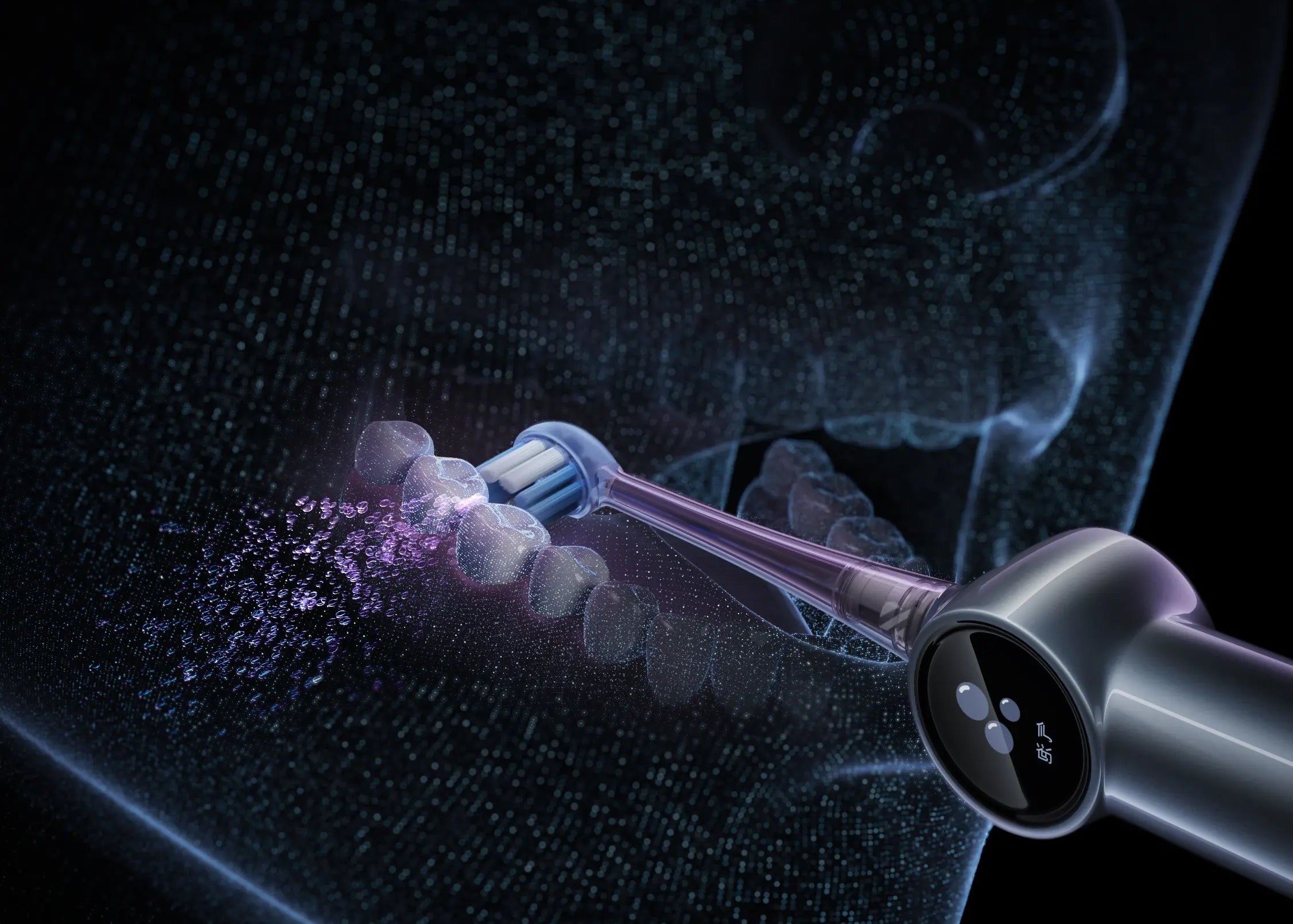
Compared to manual toothbrushes, a well-designed children’s electric toothbrush delivers consistent, stable cleaning power with minimal hand effort. When calibrated with child-friendly vibration settings, these devices clean thoroughly while safeguarding fragile oral tissues. Backed by pediatric dental research, this comprehensive guide explores safe vibration standards, selection criteria, step-by-step routines, and common pitfalls to avoid, ensuring your child’s smile stays bright, safe, and cavity-free.
1. Why Electric Toothbrushes Work Wonders for Kids
Young children often lack the manual dexterity and fine motor skills required to navigate a manual toothbrush properly, frequently leaving behind hidden plaque. Clinical studies demonstrate that electric toothbrushes help children remove significantly more plaque with far less effort (Nunn et al., 2021).
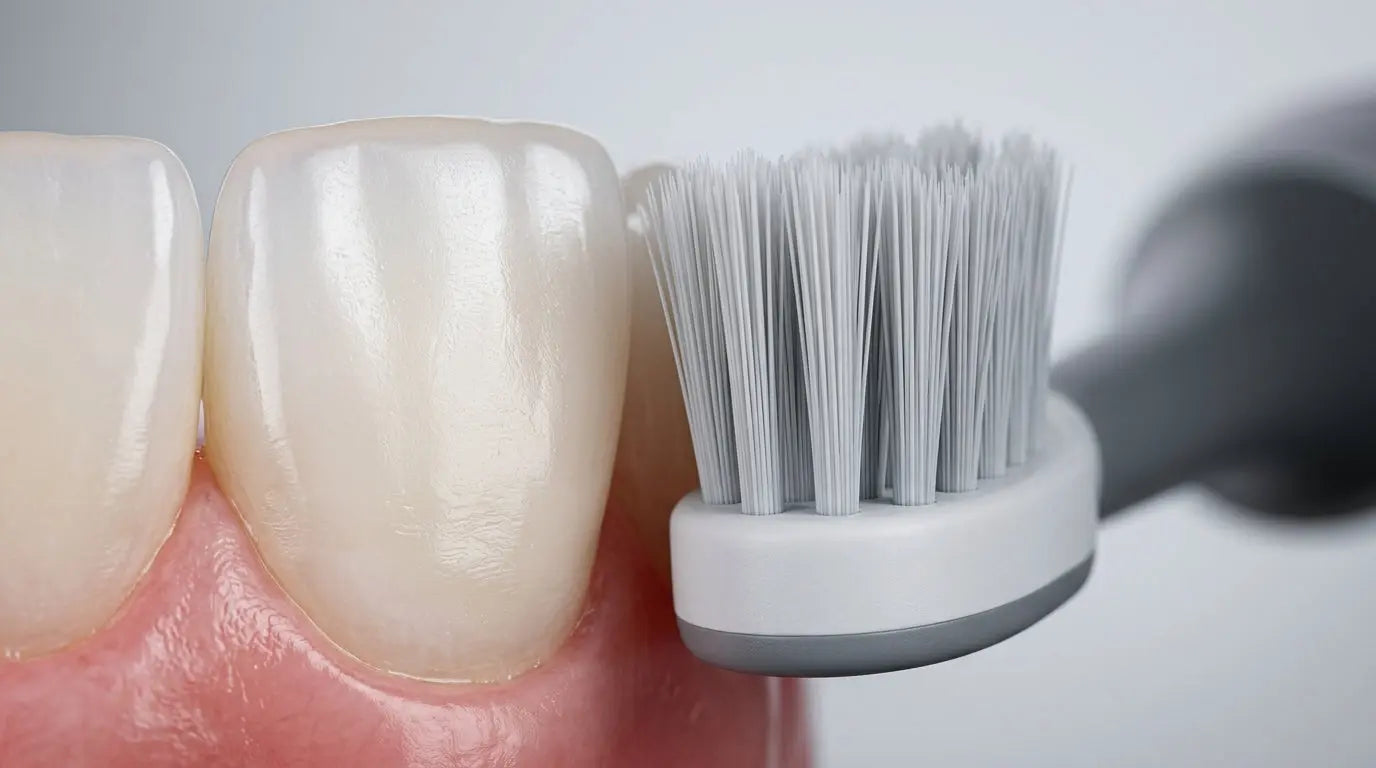
However, when it comes to pediatric oral care, gentle vibration is everything. A child's soft gingival tissue cannot withstand the ultra-high vibration intensities designed for adults. A properly calibrated low-to-moderate frequency ensures optimal plaque removal while preventing redness, soreness, and long-term gum damage. Furthermore, built-in timers and fun designs transform brushing from a daily chore into an engaging, pleasant routine.

2. Key Standards to Choose a Kid-Friendly Electric Toothbrush
Not all electric toothbrushes are created equal. When shopping for your child, prioritize these core features, keeping vibration safety at the top of your checklist:
表格
| Feature | What to Look For | Why It Matters |
|---|---|---|
| Vibration Frequency | Tailored, mild kid-modes; low-to-moderate power | Avoids overstimulating delicate gums and wearing down developing enamel |
| Bristle Type | Ultra-soft, tapered, medical-grade bristles | Prevents scratches and micro-trauma to fragile gum lines |
| Brush Head Size | Compact, mini-sized brush head | Easily maneuvers within small mouths to reach hard-to-clean posterior teeth |
| Built-in Timer | 2-minute automatic timer with 30-second quadrant alerts | Teaches kids to brush all four quadrants of the mouth evenly and thoroughly |
| Material & Safety | Food-grade, BPA-free materials & full IPX7 waterproofing | Ensures toxic-free usage and allows for easy running-water cleanup |

3. The Standard Daily Brushing Routine for Kids
Pediatric dentists recommend brushing teeth twice a day: once after breakfast in the morning and once immediately before bedtime. The nighttime session is paramount, as food residues left overnight drastically accelerate cavity formation due to decreased salivary flow during sleep.
Step 1: The Set-Up
Apply a pea-sized amount of age-appropriate fluoride toothpaste. Place the brush head against the teeth at a 45-degree angle before turning the power on. Pro Tip: Turning the brush on in mid-air will cause toothpaste to splatter, which can startle younger children.
Step 2: Follow the 2-Minute Rule (The 30-Second Quadrant Glide)
Divide the mouth into four sections: upper right, upper left, lower right, and lower left. Spend 30 seconds on each area, guided by the brush’s internal pacer.
Glide, Don't Scrub: Instruct your child to guide the brush slowly along the teeth and gum lines. Let the mild sonic vibrations do the work. Pressing hard or scrubbing vigorously while the motor is running will damage developing gums and enamel.
Step 3: Post-Brush Cleanup & Smart Storage
Once finished, detach the brush head (if applicable) and rinse both the bristles and the connector joint thoroughly under running water to flush away trapped foam and debris. Shake off all excess moisture.
⚠️ Hygiene Reminder: Always store the electric toothbrush completely upright in an open, well-ventilated area—far away from the toilet and enclosed cabinets. As established in our previous oral hygiene guides, humid, enclosed spaces are breeding grounds for mold and aerosolized bacteria (Scott et al., 2018).

4. Brush Head Replacement & Strict Hygiene Rules
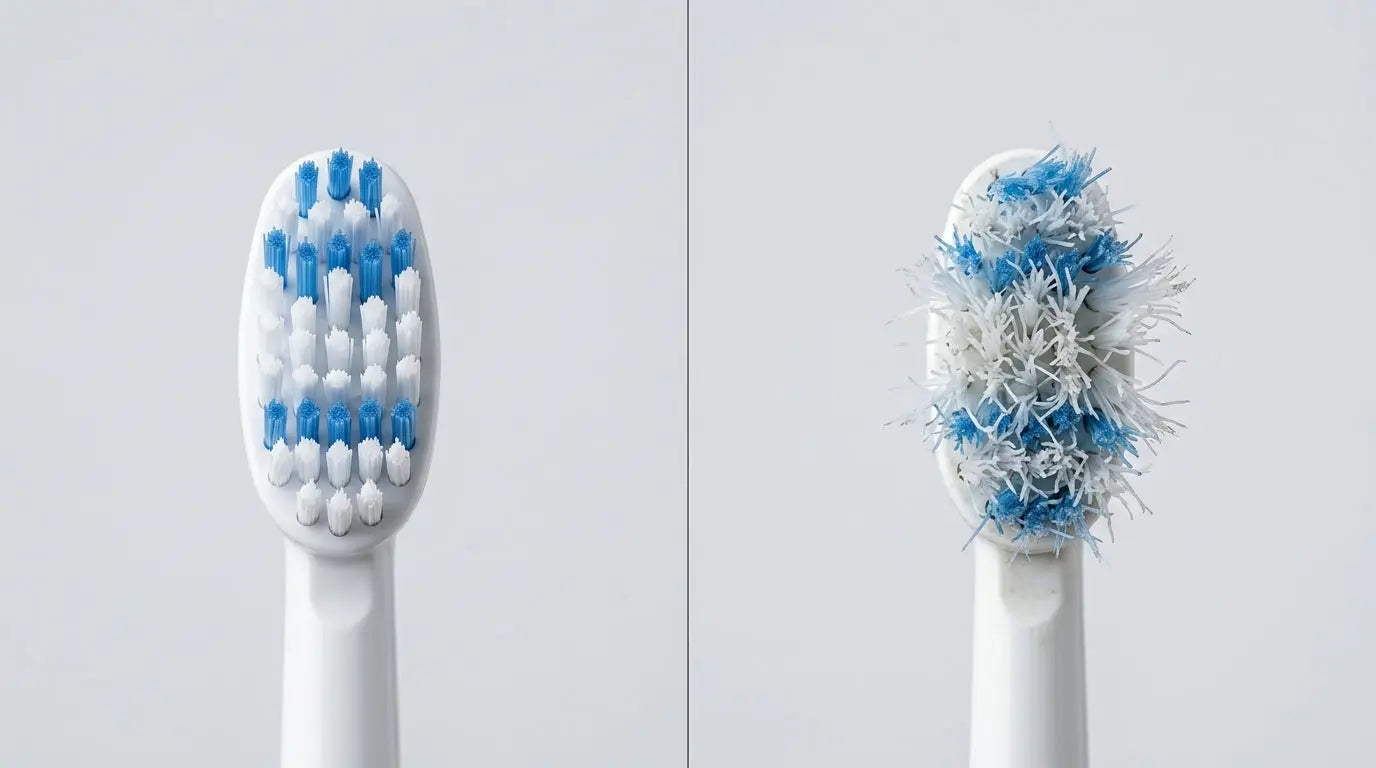
Children are rough on bristles. They often bite down on the brush head, accelerating wear. Follow the universal 3-month replacement rule, but check the bristles weekly. If they bend, fray, or lose their original shape, replace them immediately (Walsh et al., 2017). Frayed bristles combined with motorized vibration create uneven friction, harming delicate gums.
Essential Family Hygiene Rules
- Zero Sharing: Never share electric toothbrush handles or heads among siblings or family members to prevent the cross-contamination of oral bacteria and fungi.
- The Post-Illness Swap: If your child recovers from a cold, flu, sore throat, or oral infection, discard the brush head immediately and replace it with a fresh one to prevent reinfection.
- Inspect the Connector: Regularly check the hollow joint inside the brush head where it connects to the handle. Moisture hides here, making it a hot spot for hidden mold.
5. Common Mistakes Parents Need to Avoid
🚫 Mistake 1: Handing Down Adult Electric Toothbrushes
Adult models utilize aggressive vibration frequencies and oversized brush heads. Handing these down to a child causes immediate gum pain, enamel abrasion, and can make the child fearful of brushing altogether.
🚫 Mistake 2: Turning Up the Power for a "Deeper Clean"
Higher speeds do not equal cleaner teeth for children. Excessive vibration intensity is the leading cause of pediatric gum bleeding and soreness. Keep the device strictly on "Gentle" or "Kids" mode.
🚫 Mistake 3: Overloading the Toothpaste
Using a massive swirl of toothpaste creates too much foam, leading to early spitting and shorter brushing times. A pea-sized amount is all a child needs.
🚫 Mistake 4: Ignoring the Connector Gap
Failing to clean the inner joint where the brush head snaps onto the motorized handle allows stagnant water and toothpaste slurry to rot, triggering severe mold growth.
6. Parent Hacks: How to Make Kids Love Brushing
- Ownership Matters: Let your child choose their own toothbrush color or character theme. When they own the choice, they own the habit.
- The Copycat Game: Brush your teeth with your child. Children are natural mimics, and seeing a parent practice great oral hygiene is the most powerful teaching tool available.
- Gamify the 2 Minutes: Utilize fun brushing apps, interactive videos, or a favorite 2-minute song to track the time, making the routine feel like a game rather than a chore.
Conclusion
A specialized children's electric toothbrush, paired with safe vibration limits and a structured routine, lays a flawless foundation for your child's lifelong oral health. Because their gums and enamel are still developing, they require careful, deliberate protection.
By selecting the correct moderate power settings, enforcing the 2-minute rule, and maintaining strict mold-prevention hygiene, you can cultivate a flawless oral care environment. Protect their bright smiles today for a healthy, confident tomorrow.
References
- Nunn, J. H., et al. (2021). Effect of powered toothbrushes on plaque removal in children. International Journal of Paediatric Dentistry.
- Scott, E., et al. (2018). Microbial contamination of personal oral hygiene devices in domestic environments. Journal of Applied Microbiology.
- Walsh, T., et al. (2017). Effect of bristle wear on plaque removal efficacy of powered toothbrushes. Journal of Dental Research.