


Introduction
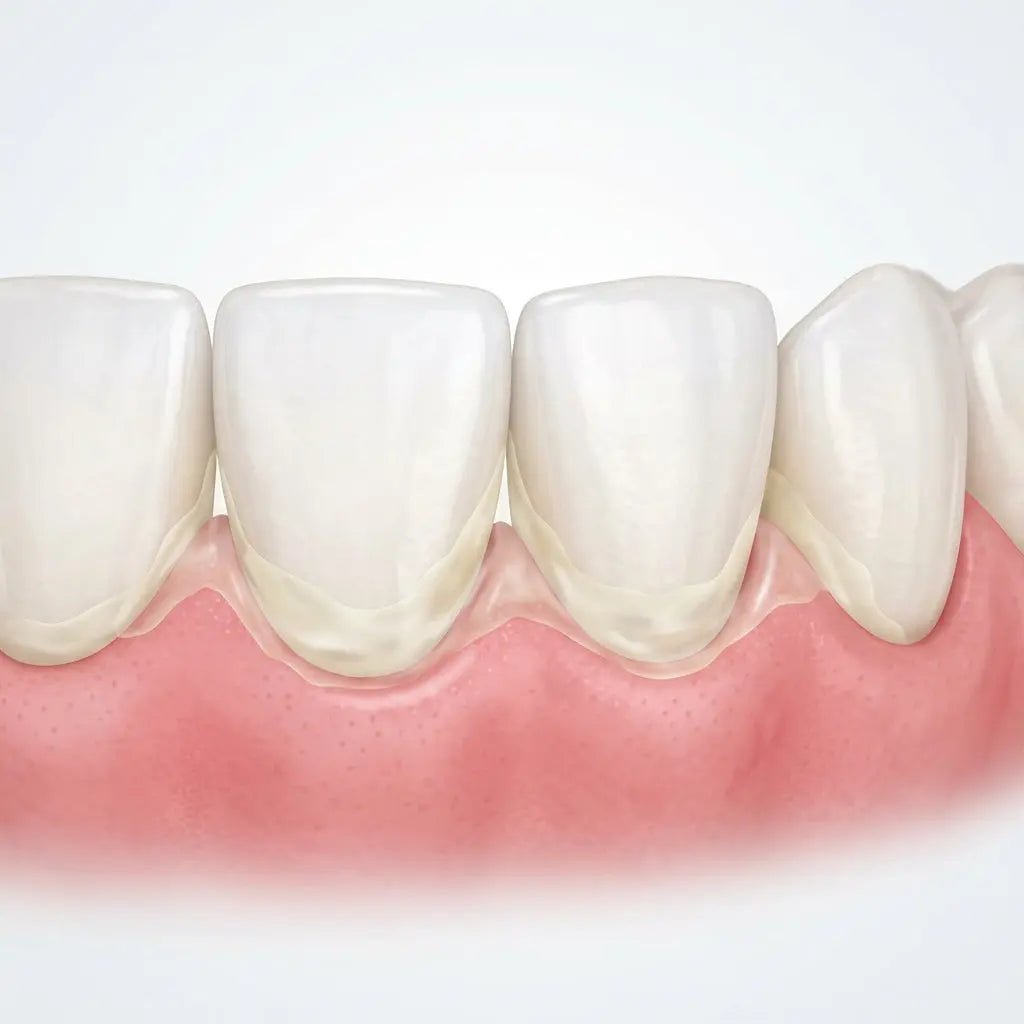
Dental plaque is a sticky, colorless film that constantly builds up on teeth and along gumlines. It is the main cause of bad breath, gum bleeding, cavities and tartar. Understanding how plaque forms helps you stop it effectively.
1. The Formation Process
-
Initial attachmentBacteria naturally live inside your mouth. After eating or drinking, food residues and saliva mix together. Tiny bacteria quickly stick to the tooth surface within minutes.
-
Growth and accumulationThese bacteria feed on sugar and starch from food. They multiply rapidly and secrete sticky substances, gradually forming a thin, soft film — plaque.
-
Hardening into tartarIf plaque is not cleaned away within 24 to 48 hours, it will harden into yellowish tartar, which cannot be removed by brushing alone.

2. Key Risks of Plaque
- Irritates gums and causes redness, swelling and bleeding
- Erodes tooth enamel and leads to tooth decay
- Produces odor and results in persistent bad breath
3. How to Remove & Prevent Plaque
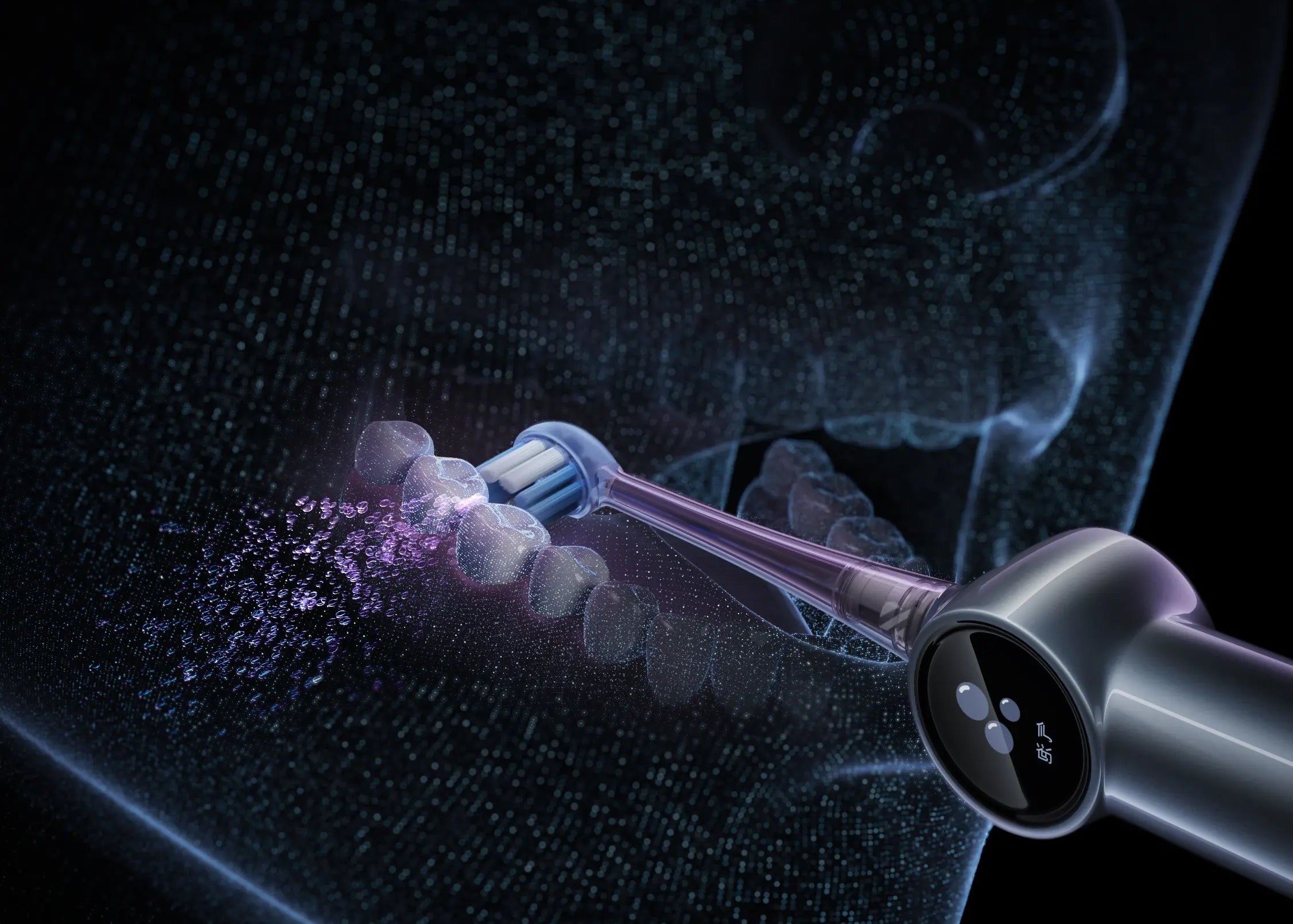
Daily thorough brushing is the most effective way to fight plaque. An electric toothbrush delivers more consistent cleaning power than manual brushing, reaching gaps and gumlines easily.
The RANVOO AirJet X5 features optimized vibration and oscillation motion. Its soft bristles clean away plaque thoroughly without damaging enamel or irritating gums. Brush twice a day for two minutes each time to keep plaque under control.
Conclusion
Plaque forms fast and develops into oral problems easily. Stick to regular brushing and proper oral care habits, and you can keep your teeth and gums healthy all the time.