




Introduction
Electric toothbrushes are designed to deliver more efficient and gentle cleaning than manual brushing. However, improper usage can turn this helpful tool into a threat to your gums and tooth enamel.
From applying too much pressure to neglecting regular head replacement, small daily errors gradually lead to gum bleeding, enamel wear, bad breath and even gingivitis. Combined with professional dental advice and our previous guides on enamel protection and gum care, this article lists the seven most widespread mistakes. Learn to avoid them and build a truly healthy brushing routine.

1. Pressing Too Hard While Brushing
This is the most common mistake among electric toothbrush users. Many people believe extra pressure equals cleaner teeth, so they push the brush firmly against teeth and gum lines.
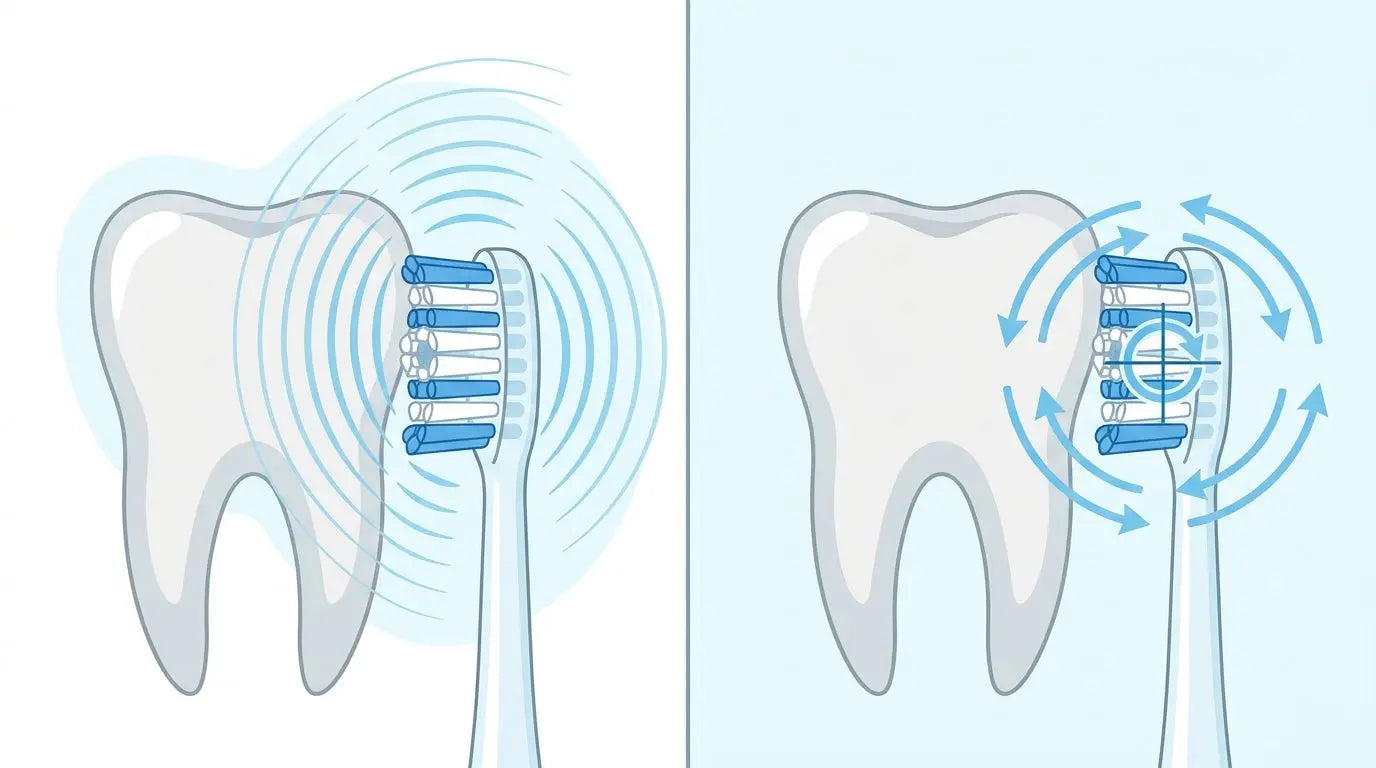
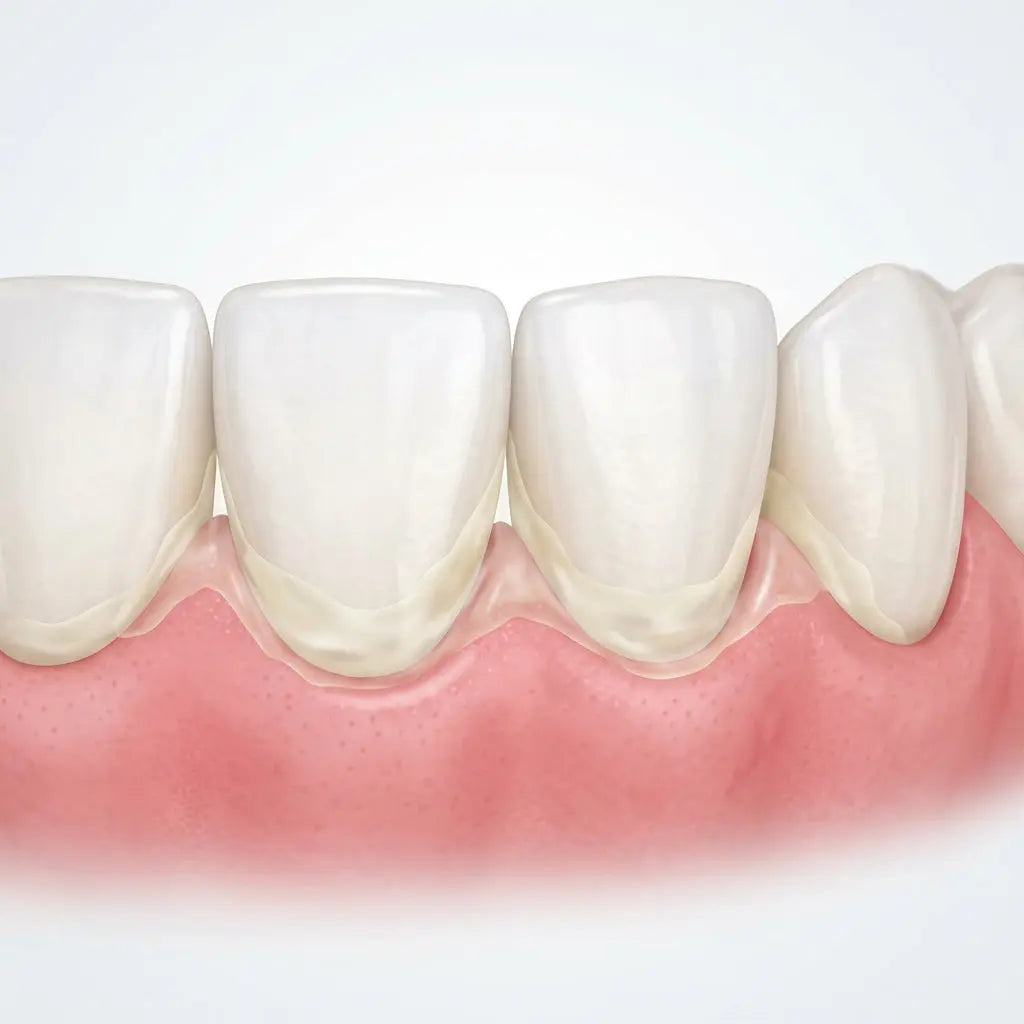
Electric toothbrushes rely on motor-driven movement to remove plaque. Heavy pressure creates excessive friction, which scratches tooth enamel and irritates delicate gum tissue. Over time, it causes receding gums and persistent sensitivity.
Fix: Hold the brush lightly with your fingertips. Just let the bristles touch the tooth surface naturally. The motor does all the cleaning work for you.
2. Failing to Replace Brush Heads Every 3 Months
Most users keep using one brush head until it looks visibly worn out. In fact, bristles lose their elasticity and rounded tips long before they bend or fray completely (Walsh et al., 2017).
Deformed bristles become sharp and abrasive, easily causing micro-scratches on enamel and gum irritation. Old bristles also accumulate massive bacteria and mold, bringing secondary oral infections.
Fix: Follow the 3-month replacement rule strictly. The RANVOO AirJet X5 works with indicator bristles that fade over time, offering a clear reminder when it is time for a new head.
3. Using the Wrong Mode for Different Oral Conditions
Modern electric toothbrushes come with multiple cleaning modes, but many users stick to the strongest mode all the time.
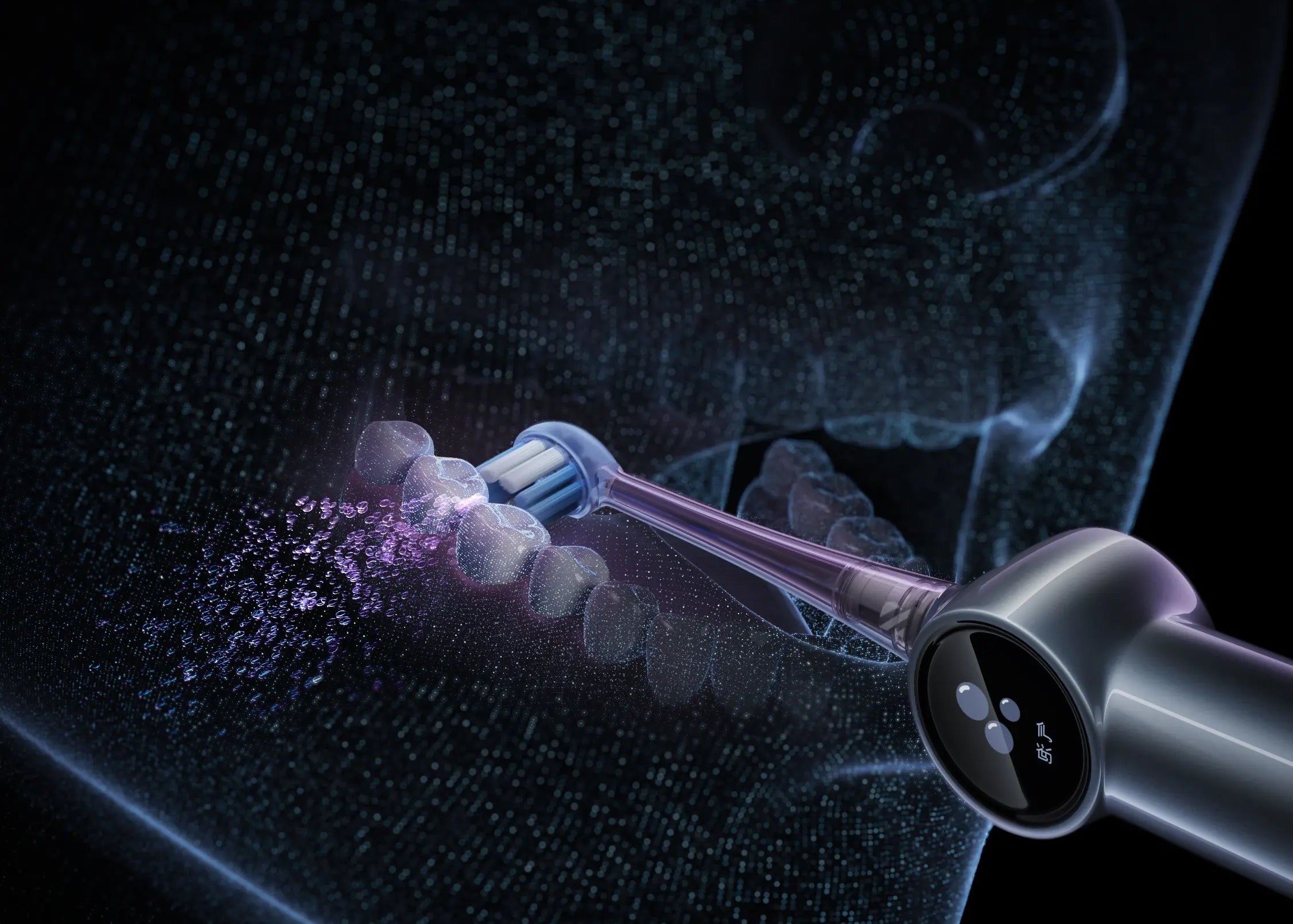
High-power deep-clean modes feature intense vibration, which is not suitable for people with sensitive teeth, bleeding gums or thin enamel. Continuous stimulation will worsen inflammation and discomfort.
Fix: Switch modes according to your oral state. The RANVOO AirJet X5 provides 4 adjustable modes including an ultra-gentle setting, ideal for sensitive gums, kids and post-dental treatment users. Use standard mode for daily cleaning and gentle mode when your gums feel tender.
4. Brushing Right After Eating Acidic Food
Citrus fruits, soda, coffee and vinegar-based meals soften tooth enamel temporarily. Brushing immediately after meals rubs acid deeper into the enamel layer and accelerates wear.
This mistake greatly increases the risk of permanent enamel loss and tooth sensitivity. It applies to both electric and manual toothbrushes.
Fix: Rinse your mouth with plain water first. Wait 30 to 60 minutes before brushing, so your saliva can naturally remineralize and harden the enamel again.
5. Ignoring the Connector Gap When Cleaning
After brushing, most people only rinse the brush head and leave the connector between head and body untouched.
Food debris, saliva and moisture get trapped inside the narrow gap. In humid bathroom environments, these residues breed bacteria and mold rapidly. They produce unpleasant odors and trigger repeated gum problems (Scott et al., 2018).
Fix: Separate the brush head after each use. Rinse both the head and connector thoroughly, then shake off all excess water. The RANVOO AirJet X5 adopts nano-silicon anti-mold coating and full IPX7 waterproofing, effectively reducing mold growth even in damp conditions.
6. Storing the Toothbrush in Closed Cabinets or Cases
Many users put the wet electric toothbrush into sealed travel cases or closed bathroom cabinets after use.
A closed, humid space is the perfect breeding ground for bacteria and mold. A damp brush head cannot dry thoroughly, which contaminates your next brushing.
Fix: Store the toothbrush upright in a well-ventilated area. Keep it open and dry naturally. Use travel cases only during trips, and take the brush out to ventilate as soon as you arrive.
7. Sharing Electric Toothbrushes with Family Members
Some families share one electric toothbrush or interchange brush heads to save money.
Oral bacteria, germs and even potential viruses can transfer between people directly. This cross-contamination easily spreads cavities, gum inflammation and bad breath among the whole family.
Fix: Stick to one personal brush head for each person. Never share your electric toothbrush or replacement heads with others.
Conclusion
Using an electric toothbrush correctly is just as important as choosing a good one. The seven mistakes above may seem trivial, yet they cause long-term damage to gums and tooth enamel.
Light pressure, timely head replacement, proper mode selection and hygienic storage are the four key principles for safe brushing. A well-designed electric toothbrush can help you develop good habits more easily.
If you are looking for a user-friendly model that fits daily oral care needs for the whole family, the RANVOO AirJet X5 Electric Toothbrush with multiple modes, anti-mold protection and gentle vibration is a reliable choice to keep your oral health in great condition.
References
Walsh, T., et al. (2017). Effect of bristle wear on plaque removal efficacy of powered toothbrushes. Journal of Dental Research.
Scott, E., et al. (2018). Microbial contamination of electric toothbrushes in domestic environments. Journal of Applied Microbiology.